
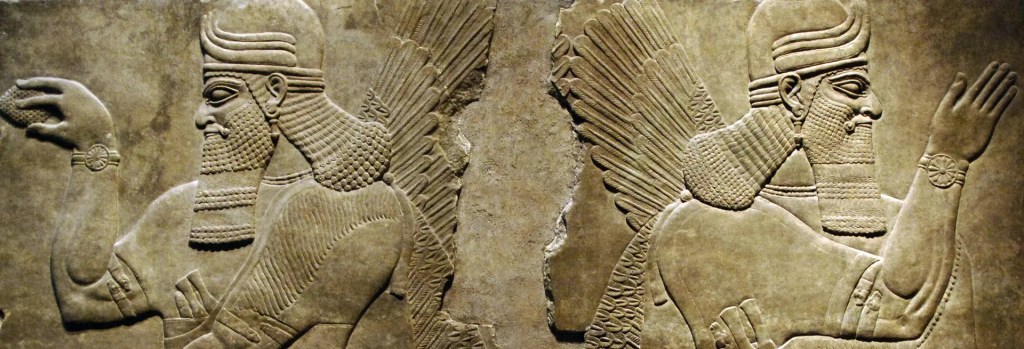
من تراث الرافدين Mesopotamia heritage
– Babelonian Map world (600-500 B.C). British Museum, tablet No. 92687
– Babylonian World Map – PDF
– خريطة العالم البابلية (600-500 قبل الميلاد). المتحف البريطاني، اللوح رقم 92687
– خريطة العالم البابلية – PDF
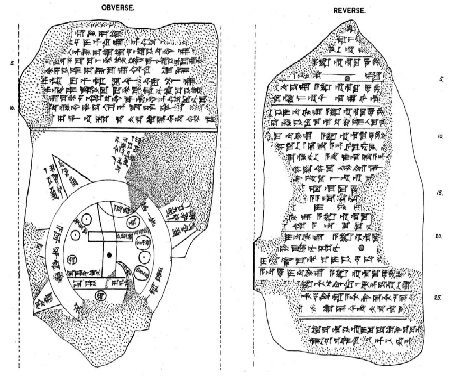
The Babylonian Map of the World with Irving Finkel
The Babylonian map of the world is the oldest map of the world, in the world. Written and inscribed on clay in Mesopotamia around 2,900-years-ago, it is, like so many cuneiform tablets, incomplete. Irving Finkel managed to locate a missing piece of the map.

The Cyrus Cylinder and Ancient Persia
The Cyrus Cylinder is one of the most famous objects to have survived from the ancient world. It was inscribed in Babylonian cuneiform on the orders of Persian King Cyrus the Great (559-530 BC) after he captured Babylon in 539 BC.

History of Mesopotamia – Britannica.
Photo: Ziggurat at Ur (modern Tall al-Muqayyar, Iraq).
© Simon11uk—iStock/Getty Images
تاريخ بلاد الرافدين ، الموسوعة البريطانية (الصورة: زقورة أور – تل المقيّر الآن).

The lost Iraq treasures
– The US invasion of Iraq (2003) led to the looting of museums and the disappearance of thousands of artefacts.
– Read also: The Looting of the Iraq Museum. By M. Polk.
آلاف من القطع الأثرية تم نهبها من متحف بغداد، وغيره من المتاحف العراقية، أثناء الغزو الأمريكي سنة 2003 (اقرأ أيضاً: نهب المتحف العراقي).

Mesopotamia: Civilization Begins. Getty Getty Museum.
بلاد ما بين النهرين: هنا تبدأ الحضارة. متحف غيتي.
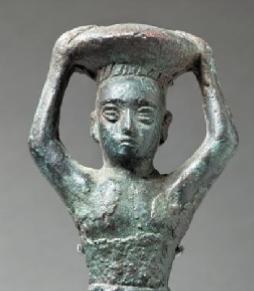
Mesopotamia ‑ Map, Gods & Meaning.
A Kneeling bull holding a spouted vessel, one of the earliest examples of metalwork in art from Mesopotamia.
© The Metropolitan Museum of Art/Purchase, Joseph Pulitzer Bequest, 1966
بلاد الرافدين: الخريطة، الآلهة والمعنى.
الصورة: ثور يحمل إناءً، أحد أقدم الأمثلة على الأعمال المعدنية في الفن.

بروسوباب (فارس وبابل)
Prosobab (Persia & Babylonia)
بروسوباب Prosobab هي قاعدة بيانات مفتوحة المصدر لدراسة سكان بابل بين عامي 620 و330 ق.م. وتركز بشكل أساسي على الأفراد الذين عاشوا في جنوب بلاد ما بين النهرين تحت الحكم الفارسي (539-330 ق.م.)، وتشمل أيضاً الفترة السابقة للإمبراطورية البابلية الجديدة، بالإضافة إلى جمع ما يمكن من معلومات حول النصوص والأرشيفات التي تم تسجيل الأفراد فيها.
طُوّرت قاعدة البيانات (وهي تغطي 5127 نصاً مسمارياً) في إطار مشروع فارس وبابل في جامعة لايدن وخُصّصت لكل من لديه اهتمام بالتاريخ البابلي و/أو الفارسي.
Prosobab is an open-source database for the study of the population of Babylon between 620 and 330 BC. It focuses primarily on individuals who lived in southern Mesopotamia under Persian rule (539–330 BC), but also includes the period before the Neo-Babylonian Empire. In addition, it collects as much information as possible about the texts and archives in which the individuals were recorded. The database (covering 5,127 cuneiform texts) was developed within the framework of the Persia and Babylonia project at Leiden University and is intended for anyone with an interest in the Babylonian and/or Persian history.
The Sumerian Art Shop. By: L. Legrain (The Museum Journal, Originally Published in 1928) View PDF
Who would not enjoy visiting the old masters at home among their models in the Sumerian art shop?

Sumerian Sculptures; By: L. Legrain. The Museum Journal, vol. XVIII / Number 3, 1927. View PDF
منحوتات سومرية؛ ل. ليغرين. مجلة المتحف، المجلد 18، العدد 3، 1927. ملف PDF
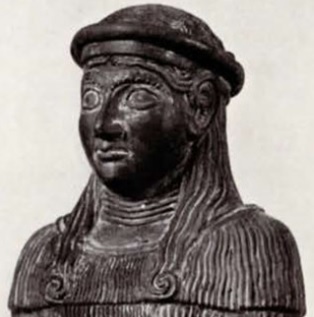
 مركز دراسات الحضارة CCS